.jpg) (Image via
(Image viaWhen you think of a quick, satisfying snack, what comes to mind? For many busy professionals, grabbing something convenient often wins over something nutritious. But what if you could have both? Enter the pistachio, a small but mighty nut that packs a surprising number of health benefits into its unassuming shell. Far more than just a tasty topping for ice cream or a salty bar snack, pistachios are a nutritional powerhouse that can support your overall well-being, from heart health to managing stress.
A Tiny Package with Big Nutritional Value
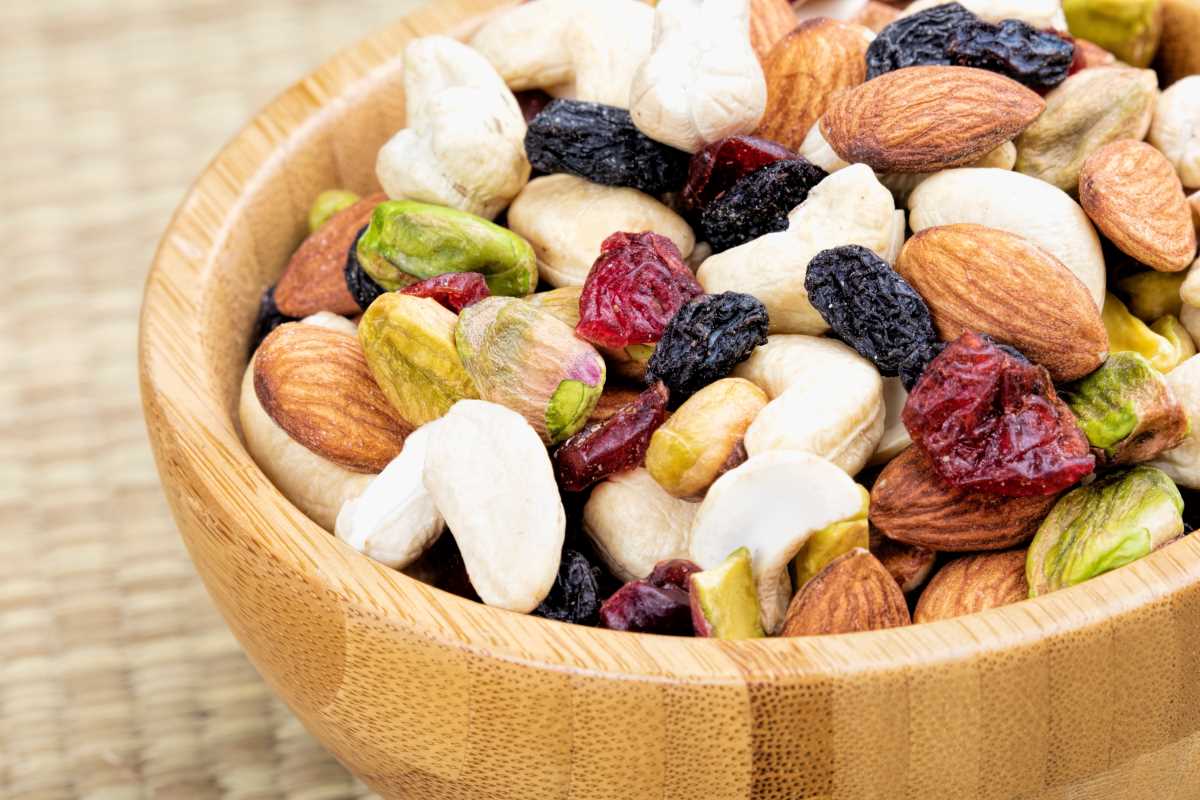
Let's start with a basic rundown of what you get in a standard serving of pistachios. A one-ounce serving, which is about 49 kernels, contains a remarkable amount of nutrients. You’ll find about 159 calories, 6 grams of protein, 8 grams of carbohydrates, and 13 grams of fat. Before you get concerned about the fat content, it's important to know that about 90% of the fat in pistachios is the "good" kind—monounsaturated and polyunsaturated fats. These are the types of fats that are beneficial for your heart and can help lower bad cholesterol levels.
In that same small serving, you also get a healthy dose of fiber, about 3 grams. Fiber is crucial for digestive health, helping to keep you regular and feeding the good bacteria in your gut. This combination of protein, healthy fats, and fiber is what makes pistachios so satisfying. They help you feel full and energized for longer, preventing the dreaded mid-afternoon slump that often leads to reaching for less healthy, sugary snacks. For a professional juggling a packed schedule, having a go-to snack that provides sustained energy can be a game-changer for productivity.
Heart Health Champions
One of the most well-researched benefits of pistachios is their positive impact on heart health. Several factors contribute to this. As mentioned, their high content of monounsaturated fats helps in managing cholesterol. Specifically, pistachios can help lower LDL (low-density lipoprotein), often called "bad" cholesterol, while potentially raising HDL (high-density lipoprotein), or "good" cholesterol. Think of LDL as the stuff that can build up and clog your arteries, while HDL helps to clear it away. Keeping this ratio in a healthy balance is a key factor in reducing the risk of heart disease.
Pistachios are also one of the best nut sources of phytosterols, plant-based compounds that have a chemical structure similar to cholesterol. When you consume them, they compete with actual cholesterol for absorption in your digestive system. This means less cholesterol gets into your bloodstream, further supporting healthy cholesterol levels.
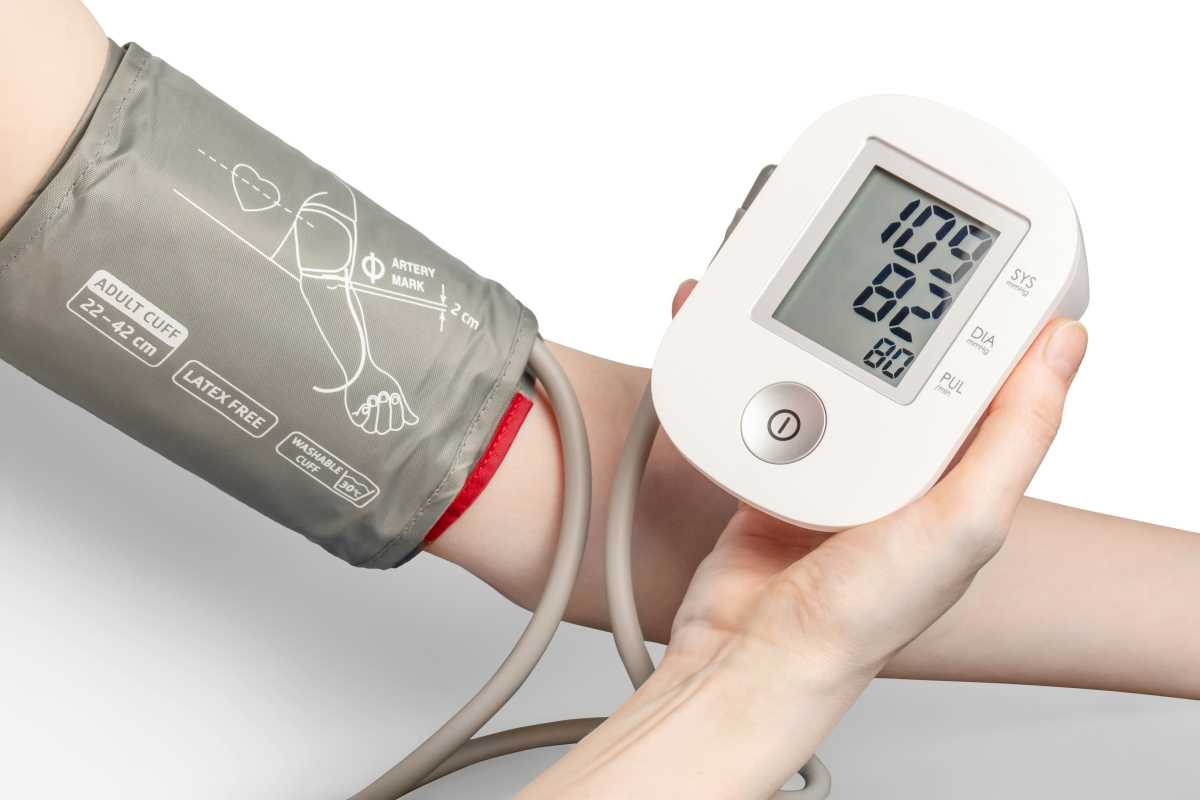
Additionally, pistachios contain a notable amount of L-arginine, an amino acid. Your body converts L-arginine into nitric oxide, a compound that plays a vital role in blood vessel health. Nitric oxide helps your blood vessels to relax and widen, a process called vasodilation. This improves blood flow and can help lower blood pressure. For professionals who may experience stress-related spikes in blood pressure, incorporating pistachios into their diet could offer a simple, natural way to support cardiovascular function.
More Than Just a Snack: Antioxidant Power
You often hear about antioxidants in the context of colorful fruits and vegetables like blueberries and kale, but nuts are also a fantastic source. Pistachios, in particular, stand out. They are rich in several antioxidant compounds, including lutein, zeaxanthin, and gamma-tocopherol (a form of vitamin E).
Antioxidants are your body's defense team against oxidative stress. Oxidative stress occurs when there's an imbalance between free radicals—unstable molecules that can damage cells—and the antioxidants that neutralize them. This damage is linked to chronic inflammation and a host of health problems, including premature aging and various diseases.
Lutein and zeaxanthin are especially interesting because they are highly concentrated in the retina of your eye. They act like internal sunglasses, filtering out harmful high-energy blue light and protecting your eyes from damage. In our modern world, where we spend hours staring at screens, protecting our eye health is more important than ever. Gamma-tocopherol, the primary form of vitamin E found in pistachios, is another potent antioxidant that protects cells from damage and supports overall immune function.
A Partner in Weight Management
While nuts are calorie-dense, studies suggest they can be a valuable tool for weight management when eaten in moderation. The combination of protein, fiber, and healthy fats in pistachios promotes a feeling of fullness, or satiety. This can help you eat fewer calories overall because you simply don't feel as hungry.
There’s also a behavioral aspect that can help. Opting for in-shell pistachios can naturally slow down your eating. The process of cracking open each shell takes time and effort, making you more mindful of how much you're consuming. The pile of empty shells also serves as a visual cue, helping your brain register how many you've eaten. One study found that people who ate in-shell pistachios consumed 41% fewer calories than those who ate shelled pistachios. It’s a simple psychological trick that makes it easier to control portions without feeling deprived.
Supporting Blood Sugar Balance
For individuals concerned about blood sugar levels, pistachios are an excellent food choice. They have a low glycemic index (GI), which means they don't cause a rapid spike in blood sugar after you eat them. The high fiber, healthy fat, and protein content all contribute to slowing down the absorption of sugar into the bloodstream.
Research has shown that eating pistachios can help improve blood sugar control. Adding them to a high-carbohydrate meal, like one with white rice or pasta, can actually blunt the overall blood sugar response. This is incredibly beneficial for preventing the energy crashes that often follow a carb-heavy lunch. By stabilizing blood sugar, pistachios can help you maintain consistent energy and focus throughout your demanding workday. This makes them a smart addition not just as a snack, but as a component of your main meals as well.
How to Easily Add Pistachios to Your Diet
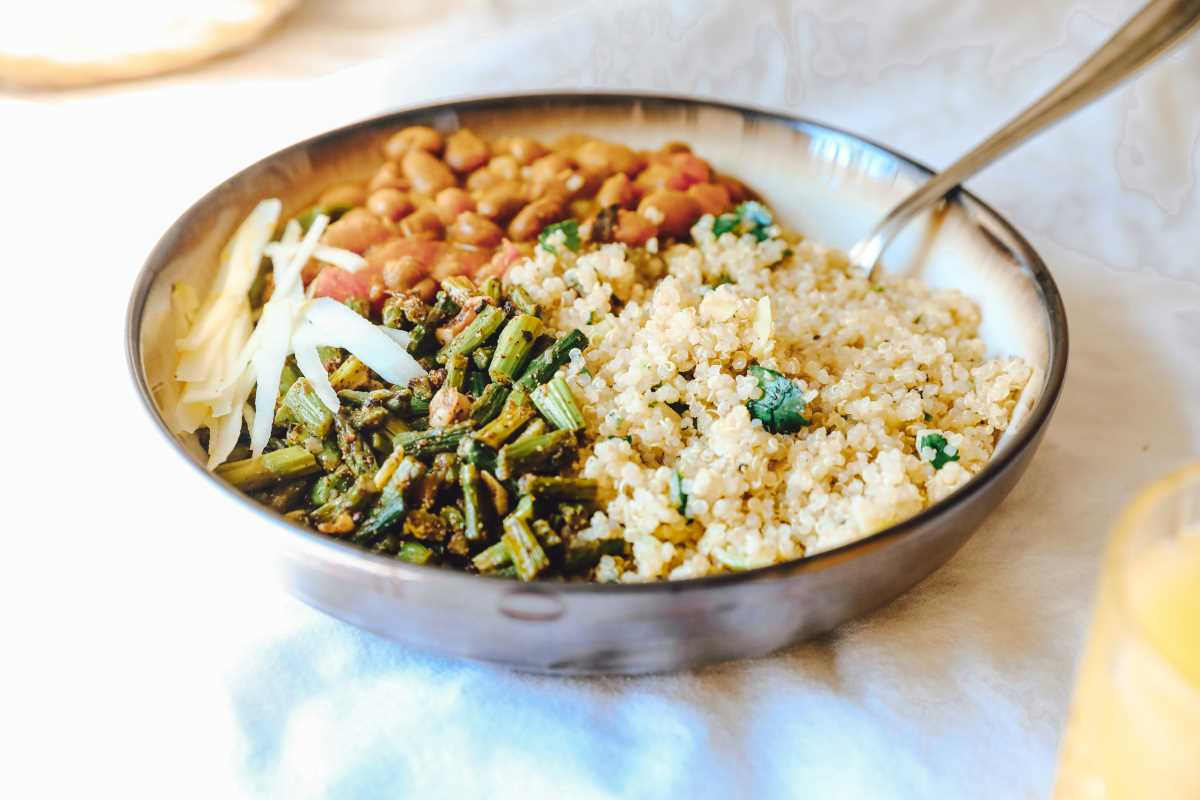
Incorporating pistachios into your daily routine is simple. Keep a bag of in-shell pistachios at your desk for a mindful snack. You can also buy them shelled to save time. Sprinkle them over your morning yogurt or oatmeal for added crunch and protein. Toss them into salads to make them more substantial and flavorful. Use crushed pistachios as a coating for chicken or fish instead of breadcrumbs for a healthier, gluten-free alternative. You can even blend them into smoothies for a boost of healthy fats and protein.
Pistachios are a versatile, delicious, and incredibly nutritious food. They offer a wide array of benefits that are particularly relevant for busy professionals looking to support their long-term health. From protecting your heart and eyes to helping you manage your weight and maintain steady energy, this little green nut truly punches above its weight. The next time you're looking for a smart snack, consider reaching for a handful of pistachios. Your body will thank you for it.