 (Image via
Have you ever walked into your kitchen, spotted a patch of golden morning sunlight hitting your favorite ceramic mug, and felt a sudden, inexplicable rush of calm wash over you? That fleeting moment isn't just a random occurrence; it is a powerful psychological tool that can transform how you experience your daily life, turning a mundane Tuesday into something that feels intentional and deeply satisfying. We often spend so much time chasing the big milestones—the total kitchen renovation, the dream house purchase, or the expensive furniture haul—that we completely overlook the magic hidden in the tiny, accessible details of our immediate surroundings. This concept focuses on "small pleasures," and mastering it is the secret to loving where you live right now, without spending a fortune or knocking down any walls.
The Science of "Glimmers"
In the world of psychology, we talk a lot about "triggers." A trigger is something that sets off a negative reaction, like stress or anxiety. But recently, experts have started talking about the opposite: "glimmers."
A glimmer is a micro-moment of safety and connection. It’s that split second when your nervous system recognizes that you are okay, and it releases a little cocktail of happy chemicals like dopamine and serotonin. In the context of home decor and living, a glimmer isn't a grand gesture. It is the smell of fresh coffee brewing. It is the texture of a soft throw blanket against your cheek. It is seeing a new leaf unfurl on your monstera plant.
While a big vacation gives you a huge spike of happiness that fades quickly (this is called hedonic adaptation), small pleasures provide a steady drip-feed of contentment. By designing your home to maximize these glimmers, you are essentially hacking your brain to feel happier on a biological level.
Romanticizing the Mundane
There is a trend on social media called "romanticizing your life," and while it might look like just pretty aesthetic videos, the core philosophy is actually quite profound. It is about treating the boring, repetitive parts of your day with the same reverence you would give to a special occasion.
Think about your morning routine. For many of us, it is a frantic rush. But what if you changed the environment? What if, instead of drinking from a chipped promotional mug you got at a conference five years ago, you poured your coffee into a beautiful, heavy ceramic cup that keeps the heat perfectly?
Suddenly, the act of drinking coffee isn't just fuel intake; it is an experience.
You can apply this to almost anything in your home.
- Laundry: Instead of treating it like a chore, switch to a detergent that smells like lavender and wild mint. Folding warm clothes becomes a sensory experience rather than a burden.
- Hand washing: We wash our hands countless times a day. Swapping out the cheap plastic bottle for a nice glass dispenser with a scent you love (like cedarwood or citrus) turns a twenty-second hygiene habit into a tiny spa moment.
The Power of Lighting
If there is one thing that kills everyday satisfaction, it is the "Big Light." You know the one—the bright, harsh overhead fixture that makes your living room feel like a dentist's waiting room.
Lighting is arguably the most critical element of mood in a home. The concept of hygge (the Danish word for cozy contentment) relies heavily on the warm glow of candlelight and lamps. To increase your small pleasures, you need to layer your lighting.
Start by observing where you spend your evenings. If you are reading on the couch, do you have a task lamp that directs light onto your book without blinding the rest of the room? Do you have dimmers installed? Even swapping out "cool white" bulbs (which mimic daylight and keep you alert) for "warm white" bulbs (which mimic sunset and help you relax) can drastically change how your home feels at 8:00 PM.
It creates a visual "exhale." When the lights go down and the warm lamps turn on, your body receives a signal that the workday is done and it is time to rest.
Texture as a Love Language
We often decorate for how things look—the colors, the shapes, the symmetry. But we actually live in our homes through touch. Enhancing satisfaction often comes down to how your home feels against your skin.
This is about tactile contrast. If you have a sleek leather sofa, it might look great, but it can feel cold. Adding a chunky knit wool blanket or a velvet pillow introduces softness and warmth.
Think about your feet. Stepping out of bed onto a cold hardwood floor is a harsh way to wake up. Placing a high-pile sheepskin or a soft vintage rug right next to the bed is a small pleasure that greets you every single morning. It’s a tiny barrier between you and the cold reality of the day.
Even your dinnerware matters. There is a specific satisfaction in holding a fork that has a nice weight to it, or wiping your mouth with a linen napkin instead of a paper towel. These tactile inputs constantly tell your brain, "I am taken care of. I am safe."
Bringing the Outside In
Humans have an innate desire to connect with nature, a concept known as "biophilia." Modern life often traps us in boxes of drywall and concrete, which can lead to a low-level sense of dissatisfaction.
You don’t need a massive garden to fix this. Small touches of nature are potent mood boosters.
- Fresh Flowers: You don’t need an expensive bouquet. A simple bundle of eucalyptus in a vase or grocery store tulips can change the energy of a room. They add life, movement, and a sense of care.
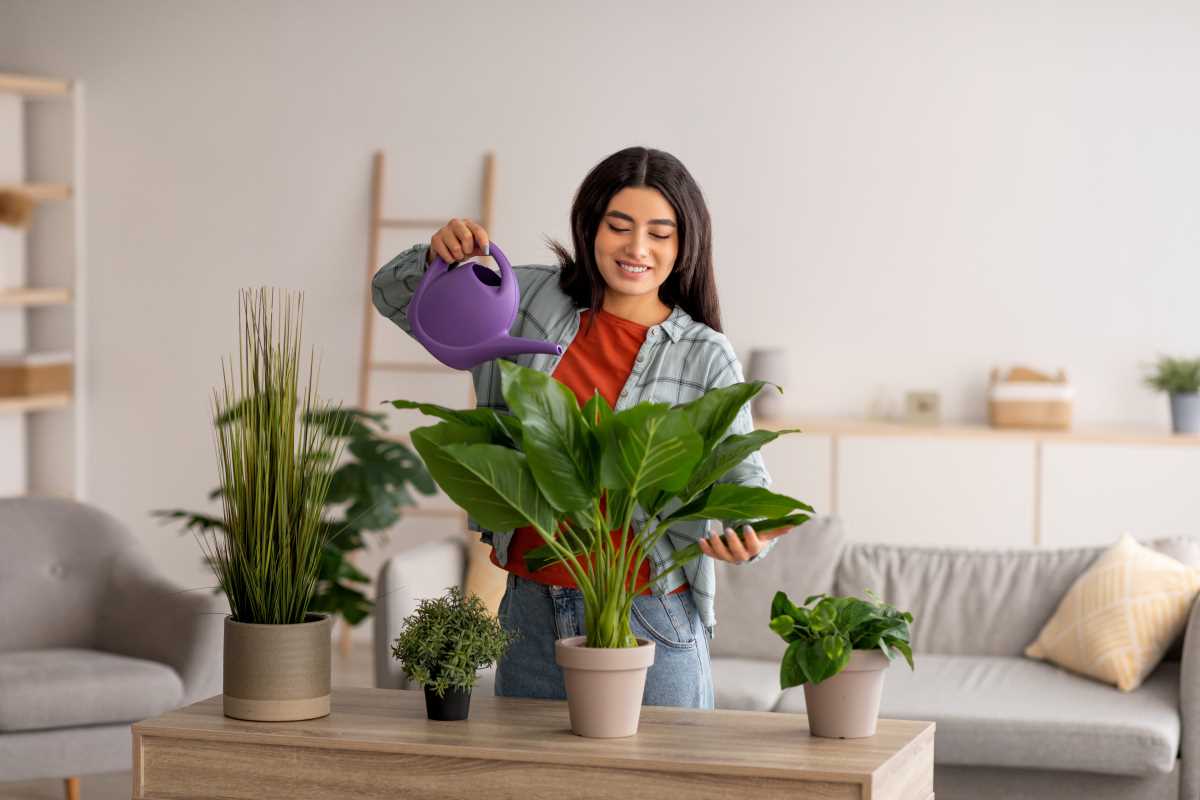
- Houseplants: Watching a plant grow gives you a sense of progress and nurturing. It’s a slow-motion reward system.
- Natural Materials: Incorporating wood, stone, clay, and wicker into your decor grounds the space. These materials have "imperfections" and grain patterns that are relaxing to the eye, unlike the uniform perfection of plastic.
Stop Saving the "Good" Stuff
One of the biggest mistakes people make in their homes is "saving" things for a special occasion that rarely comes.
You know the items:
- The expensive candle you are afraid to burn because you don't want to waste it.
- The fancy guest towels you don't let anyone touch.
- The wedding china that stays in a box in the attic.
- The nice soap.
Here is a radical thought: Today is the special occasion. By saving these items, you are telling yourself that your average Tuesday isn't worthy of beauty or quality. You are putting your happiness on a shelf for a hypothetical future guest.
Burn the candle while you pay bills. Use the crystal glass for your orange juice. Dry your hands with the fluffy towel. These items were made to be used, and they degrade over time even if you don't touch them. Enjoying them now adds a layer of luxury to your daily existence that costs you absolutely nothing extra, because you already own them.
Creating Analog Sanctuaries
Our homes are increasingly filled with screens—smart TVs, tablets, phones, smart fridges. The constant blue light and notification pings create a state of continuous partial attention. We are never fully relaxed because a part of our brain is always waiting for the next digital alert.
A profound small pleasure is the "Analog Zone." This is a corner of your home—maybe just a specific armchair—where technology is not allowed.
Set up this space with intention. Have a side table with a stack of physical books or magazines. Keep a puzzle on a table. Have a sketchbook and pencils nearby. When you sit in this space, your brain switches gears. You engage in "deep leisure" rather than doom-scrolling. The satisfaction of reading ten pages of a book is often much higher than scrolling through ten minutes of social media, because it engages your imagination and focus in a singular way.
The Joy of Uncluttered Surfaces
Finally, let’s talk about the visual noise of clutter. It is hard to feel satisfied when your eyes are constantly bouncing around a messy room.
You don't need to be a minimalist with an empty white box for a home. But creating "breathing room" is essential. Focus on what designers call "vignettes." instead of having fifty tiny trinkets scattered everywhere, group three or four meaningful items together on a tray.
A clear kitchen island or an empty dining table represents potential. It is a space ready for a meal, a project, or just a quiet cup of tea. When you clear a surface, you are clearing mental space. The pleasure comes from the visual calm, the order, and the knowledge that you are in control of your environment.
Conclusion
Enhancing everyday satisfaction isn't about impressing your neighbors or getting your home featured in a magazine. It is a deeply personal practice of noticing and curating the moments that make up your life. It’s about the weight of the blanket, the warmth of the light, and the scent of the soap.
These small pleasures act as anchors. When the world outside is chaotic and stressful, your home becomes a soft place to land. By paying attention to these tiny details, you shift your focus from what your home lacks to what it provides. You stop waiting for the renovation to be happy and start finding joy in the sunlight hitting your coffee cup right now. And really, isn't that what living well is all about?