 (Image source: Gemini)
 You've probably spent years tracking every morsel that enters your mouth, obsessing over whether that snack has 100 calories or 150. But what if I told you that the number on the back of the box is actually the least interesting thing about your lunch? In 2026, we're finally seeing a massive shift in how we think about fuel. We're moving away from the math of restriction and toward the science of nourishment. It's about time, too. For decades, we were told to fear fat and load up on "heart-healthy" grains that were often just refined sugar in disguise. Now, the 2025-2030 Dietary Guidelines for Americans have flipped the script. They've told us to "Eat Real Food" and stop treating our bodies like simple calculators.
So what does this actually mean for your daily life? It means looking at a plate of food and asking what it can do for your cells, your brain, and your future self. It's about choosing ingredients that support your metabolic health today so you aren't dealing with a mountain of chronic issues a decade from now.
Is Calorie Counting the Best Choice?
The old way of eating was all about "less." Less fat, less salt, less flavor, and ultimately, less energy. The new model, often called the "Flipped Pyramid," puts high-quality protein at the very base. This is a huge deal because protein is the building block of everything from your muscles to your hormones.
Current expert recommendations suggest adults should aim for 1.2 to 1.6 grams of protein per kilogram of body weight. If you're active or over the age of 60, you might need even more to prevent muscle loss. When you prioritize protein, you'll notice something interesting. You aren't as hungry. You don't have those 3 PM crashes where you'd kill for a cookie.
Then there's the sugar situation. The latest guidelines are stricter than ever, recommending that we basically treat added sugar as a non-needed item. Ideally, you're looking at zero grams of added sugar, but a practical limit is no more than 10 grams per meal. For context, a single soda can have four times that amount. Have you checked the label on your "healthy" yogurt lately? You might be surprised at how much sugar is hiding in there.
Whole and Unprocessed Ingredients
If it comes in a crinkly bag with a shelf life longer than your last relationship, it's probably an ultra-processed food (UPF). Right now, about 60% of the standard diet consists of these UPFs. The problem isn't just that they lack vitamins. It's that they're designed to bypass your "I'm full" signals.
Studies show that high UPF consumption is linked to a 30% higher risk of cardiovascular mortality. That's a terrifying number when you realize how much of our grocery stores are filled with this stuff. To fight back, you need to focus on plant-forward, minimally processed meals.
One of the biggest missing pieces in our modern diet is fiber. We're currently in what experts call a "fiber gap." Only 5% of people actually get enough fiber, which is roughly 25 to 38 grams a day. Fiber is the secret sauce for gut health and satiety. It feeds the good bacteria in your gut and keeps your blood sugar from spiking like a roller coaster.
- Beans and Legumes: These are the literal cornerstones of longevity. Eating just one cup of beans daily has been linked to four extra years of life expectancy.²
- Cruciferous Vegetables: Think broccoli sprouts and kale. These contain sulforaphane, which helps your body detoxify on a cellular level.
- Fermented Foods: Kimchi, kefir, and sauerkraut are needed for gut-mediated immunity, which is a major focus for wellness in 2026.
Macronutrients and Micronutrients for Longevity
When we talk about longevity, we're really talking about "healthspan." Nobody wants to live to 100 if the last 20 years are spent in a hospital bed. To stay sharp and strong, you need a specific mix of nutrients that support cellular repair.
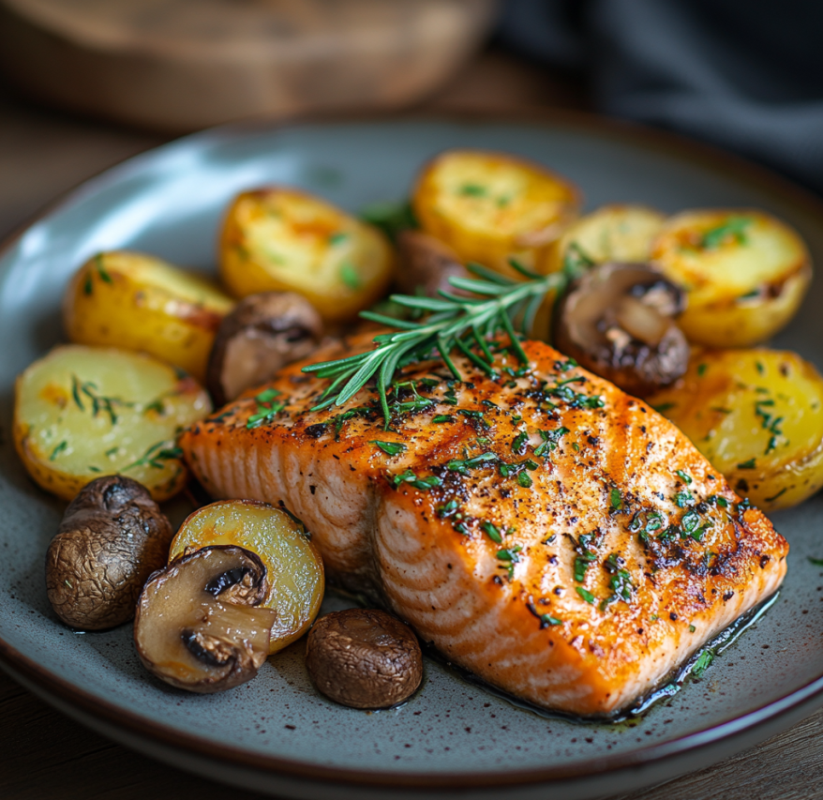
Healthy fats are non-negotiable for your brain. Your brain is about 60% fat, so if you're on a "low-fat" kick, you're basically starving your cognitive engine. Focus on Omega-3s from wild-caught salmon or sardines. Sardines are a total powerhouse because they give you a massive dose of calcium and DHA in one tiny package.
We're also learning about "methyl adaptogens." These are compounds found in things like green tea, turmeric, garlic, berries, and rosemary. A 2024 study showed that diets rich in these can actually reduce your biological age by up to eight years in just two months. It sounds like science fiction, but it's just the power of high-quality plant chemistry.
Don't forget the "multivitamin of foods," which is beef liver. Although it might not be the most popular choice at a dinner party, it's incredibly rich in B12 and Vitamin A. If you can't stomach the taste, many people are now using desiccated liver capsules to get those nutrients without the "earthy" flavor.
Sustainable Habits for Nutrition
Let's be real. Nobody has time to spend four hours every Sunday prepping identical containers of chicken and broccoli. That's a fast track to burnout. Sustainable nutrition is about making the healthy choice the easy choice.
Start with the 80/20 rule. You don't have to be perfect. If 80% of your meals are whole, nutrient-dense foods, your body can handle the other 20% being for pure enjoyment. This helps you maintain a healthy relationship with food instead of viewing it as an enemy.
Another great approach is "Hara Hachi Bu," a concept from the Blue Zones in Okinawa. It simply means eating until you're 80% full. It takes about 20 minutes for your brain to realize your stomach is satisfied. By stopping a little early, you prevent that heavy, lethargic feeling that comes from metabolic overload.
If you're on a budget, lean heavily on frozen vegetables and canned beans. They're often just as nutritious as fresh versions but cost a fraction of the price. Building a balanced plate doesn't require "superfood" powders that cost $50 a jar. It requires staples like lentils, eggs, and seasonal produce.
The Future of Wellness with Hydration and Aware Eating
The field of nutritional psychiatry is exploding right now.¹ We're finally acknowledging that what you eat directly impacts how you feel. If you're struggling with anxiety or brain fog, your diet should be the first place you look. The "Psychobiotic" diet encourages eating a "rainbow" of at least 30 different plants per week to get the most from gut microbiome diversity.
Hydration is another pillar that people often overlook. It's not just about drinking water. It's about how that water helps you absorb nutrients. Without proper hydration, your digestion slows down, and you can't effectively transport vitamins to your cells.
Finally, consider your eating window. Although extreme fasting has lost some steam, a simple 12-hour window (like 8 AM to 8 PM) is widely supported. It gives your body time to engage in "autophagy," which is basically a cellular cleanup process.
Long-term wellness isn't about a "reset" or a "cleanse." It's about the small, consistent choices you make every single day. When you shift your focus to real, whole foods, you aren't just eating for today. You're investing in the version of yourself that exists ten, twenty, and thirty years from now.
This article on Pistacha is for informational and educational purposes only. Readers are encouraged to consult qualified professionals and verify details with official sources before making decisions. This content does not constitute professional advice.